Pain relief options for birth

What are the best natural pain reliefs for birth?
Water birth
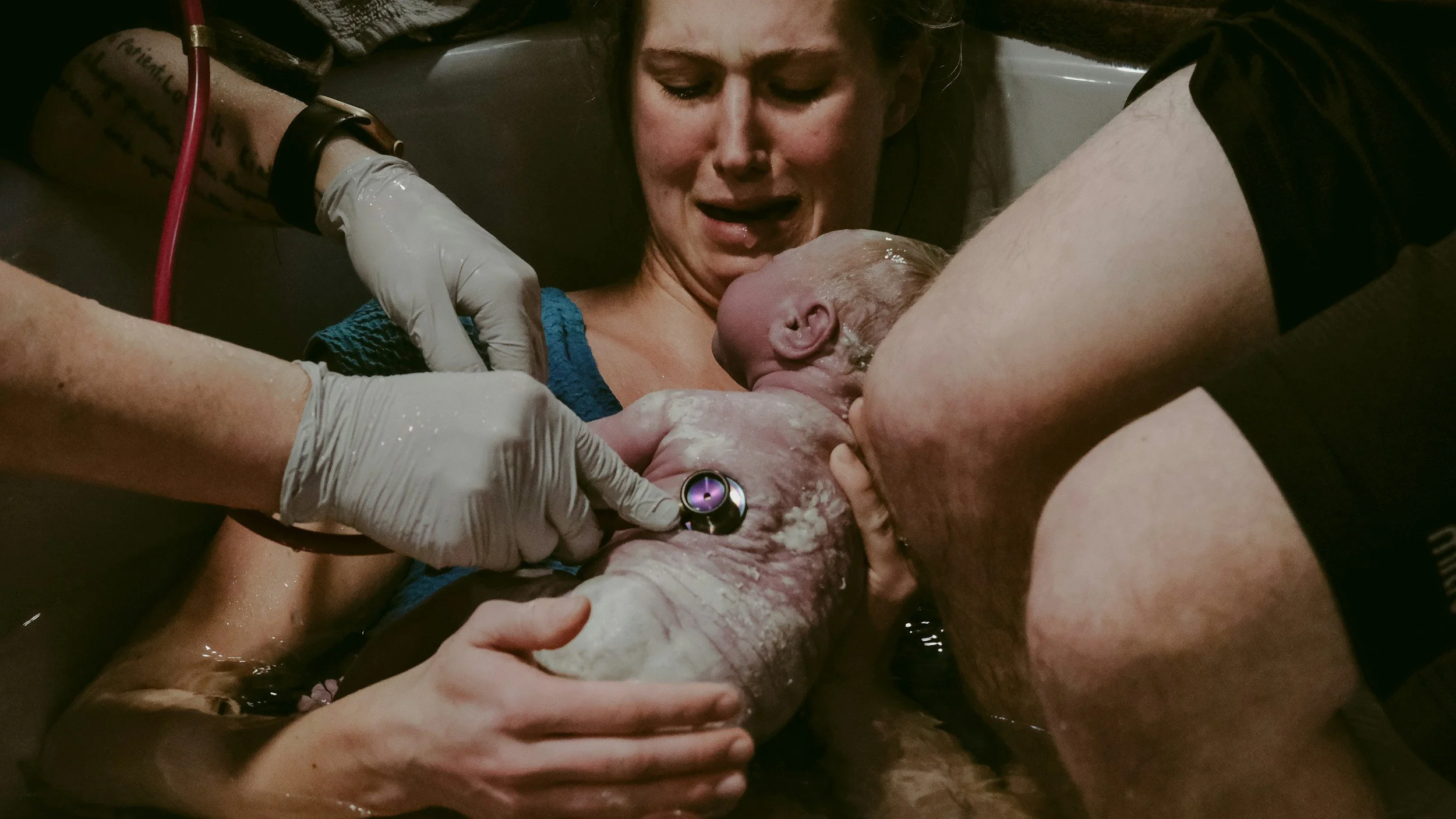
Having a water birth is using the buoyancy of the water to help take some of the pain and pressures away from birth. The warmth of the water will help you relax and make it easier for you to move around.
Many hospitals and birth centres have birthing pools, you can also hire them for home births.
If you choose to have a water birth:
try not to get into the pool too early, as it can slow down labour
you will need to leave the pool and get medical help if there are complications
You can still take entonox (gas and air) in the pool.
Breathing techniques
Breathing exercises are a powerful tool to use during birth because they help you stay calm, relaxed and in control. Breathing slowly and deeply will help you:
reduce tension
lower stress hormones (adrenaline).
allows you to work with your body rather than against it.
creating a positive mindset
Creating a positive mindset changes the way you approach your birth and its sensations. it helps you to:
stay calm, relaxed and in control.
helps your body produce endorphins, your body’s natural pain relief.
allows your muscles to work effectively and manage contractions.
trust your body, stay focused and approach each stage of labour confidence rather than fear.
What are the medical pain reliefs used during labour?
gas and air (entonox)
a mixture of oxygen and nitrous oxide breathed in through a face mask or mouthpiece.
Pros:
Quick to take effect – works within seconds, so great for immediate relief
You’re in control – you hold the mouthpiece and use it when you need it
Wears off quickly – leaves your system fast, so you stay mobile and alert
Safe for baby – doesn’t stay in your body long
Can take the edge off contractions – helps you feel more relaxed and less overwhelmed
Cons:
Doesn’t remove pain completely – it reduces intensity rather than eliminating it
Can make you feel dizzy or lightheaded
May cause nausea or sickness for some people
Requires good timing – works best when used just before a contraction peaks
Can make you feel a bit out of control or spaced out if overused
Pethidine
is given as an injection in the thigh or bottom during labour.
Pros:
Can take the edge off pain – helps you feel more relaxed and less overwhelmed
Promotes rest – useful if you’re exhausted, especially in early or long labours
Easy to administer – given as an injection, no need for equipment like an epidural
May reduce anxiety – can make you feel calmer and more detached from contractions
Cons:
Doesn’t remove pain completely – you’ll still feel contractions
Can make you feel drowsy, groggy or “out of it”
May cause nausea or vomiting
Can affect baby – may make baby sleepy at birth, sometimes impacting feeding or breathing initially
Timing matters – if given too close to birth, effects on baby can be stronger
Can slow labour for some people.
Epidural
This is a local anesthetic that numbs the nerves which tell your brain you’re in pain. It is injected into the space outside your spine.
Pros:
Most effective pain relief – significantly reduces or removes sensation in the lower body
Allows rest – can be especially helpful in long or intense labours
Can help you feel calmer – reduces overwhelm and anxiety for many people
Adjustable – dosage can often be topped up as labour progresses
Useful in medical situations – may be recommended if interventions are needed
Cons:
Reduced mobility – you’ll usually need to stay in bed
Loss of sensation – can make it harder to feel when and how to push
Increased likelihood of further interventions – such as assisted birth (forceps or ventouse)
Possible drop in blood pressure – requires monitoring
Can slow labour for some people
Requires a catheter and continuous monitoring
Potential side effects – such as itching, headaches, or uneven numbness